Eloquent explained: what it is and why it matters
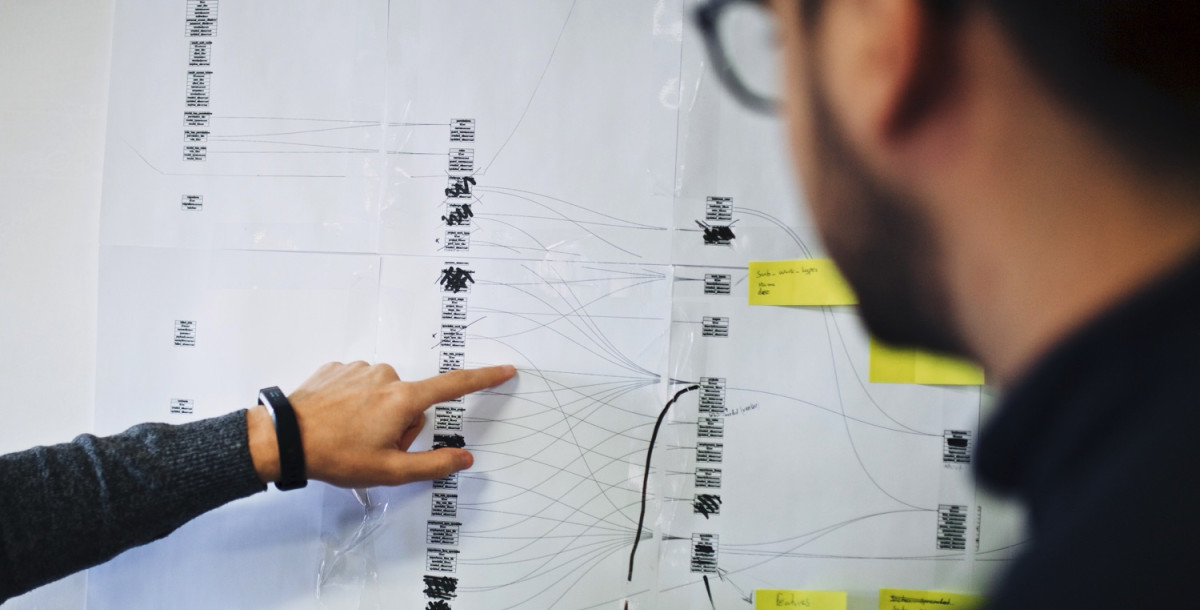
Eloquent is probably the single biggest reason your Laravel project is moving as fast as it is.
If you understand it, even at a surface level, you'll make sharper decisions about scope, timelines and cost.
What Eloquent actually is
Eloquent is what's called an ORM. Object Relational Mapper.
That sounds like one of those magic words developers throw around to make themselves feel clever, so let me break it down.
Every web application you've ever used has a database sitting behind it. Your members, your orders, your events, your content. All of it lives in tables, a bit like a giant spreadsheet with rows and columns.
To get information out of that database, developers traditionally write queries in a language called SQL. It's fiddly, easy to get wrong, and slow to write.
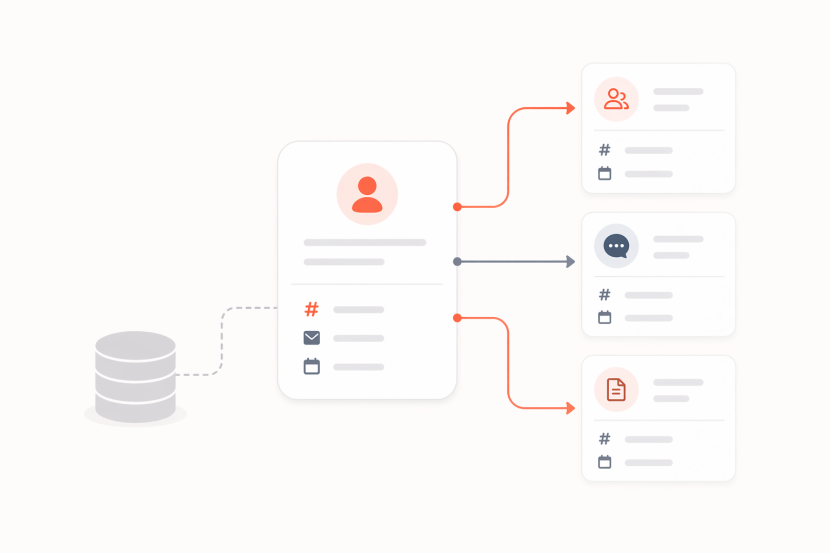
Eloquent is the layer that sits between your developers and that database and does the translation for them. Instead of writing a long, complicated query to pull every active member who joined in the last 30 days, a developer writes one short, readable line. Eloquent handles the rest.
Think of it like the difference between giving someone turn-by-turn directions versus just saying "take me to the office." Eloquent is the sat nav. Your developers tell it what they want, and it figures out how to get there.
That's the whole idea. It ships as a core part of the framework, and you can read about it in the official Eloquent documentation if you want to go deeper.
Why it matters to you, not just your dev team
Here's why you should care, even if you never touch the code.
Eloquent affects three things that hit your budget directly: speed, safety, and readability.
Speed.
When we're building a membership platform, say a portal with events, renewals, a member directory and some reporting, a huge chunk of the work is asking the database questions.
"Show me members whose subscription expires next month."
"List all events this user has attended."
"How many new sign-ups this quarter?"
Every one of those is an Eloquent query. Because it's quick to write, your team ships faster. When we scoped the Laravel rebuild for CRiS, a huge portion of the estimated effort was data-heavy work like this. Eloquent is the reason that work didn't balloon.
Safety.
Eloquent has protections built in against a whole class of security issues that have sunk lesser platforms. One of the biggest is SQL injection, where a bad actor tries to smuggle malicious code into your database through a form field. OWASP still lists injection attacks as one of the top risks on the web. When your developers use Eloquent properly, and they will, a lot of common vulnerabilities are handled for you by the framework.
Readability.
When a new developer joins the team in two years' time, or when you switch agencies, Eloquent code is readable. It looks like English. That means onboarding is faster, handovers are smoother, and your platform isn't held hostage by the one person who wrote it.
Every one of those things affects your budget, your timeline, and your long-term cost of ownership.

Ready to start on your project?
We have been developing websites for over a decade. Our team of developers love what they do, and strive to ensure they leave the internet in a better place than they found it.
The takeaway
Eloquent is the bridge between your Laravel application and your database. It's one of the main reasons Laravel teams ship so fast, so safely, and so cleanly.
This is the whole point of the Laravel for the rest of us series.
Take the language developers use every day and make it land for the product owners, marketers, ops folk, and the people signing off the budgets.
If there's a Laravel word you've been nodding along to in meetings, drop us a line and I'll cover it next.
More Articles

Why change Laravel Agency
Steadfast Collective is a Laravel agency in the UK that designs, builds and scales web platforms for membership organisations, charities and brands.

Laravel Announcements from Laracon US 2026
The headline releases centred on tighter tooling, better performance defaults, and first-class support for AI, all shipped in a way that protects existing projects.

Why Statamic for Membership Platform
Why Statamic works brilliantly as a membership platform for large organisations. Flexible, secure, and built on Laravel.